
Freediving in Melbourne
Learn to freedive in Victoria's temperate waters with Drifters Freediving.



Freediving in Melbourne: Why we love it
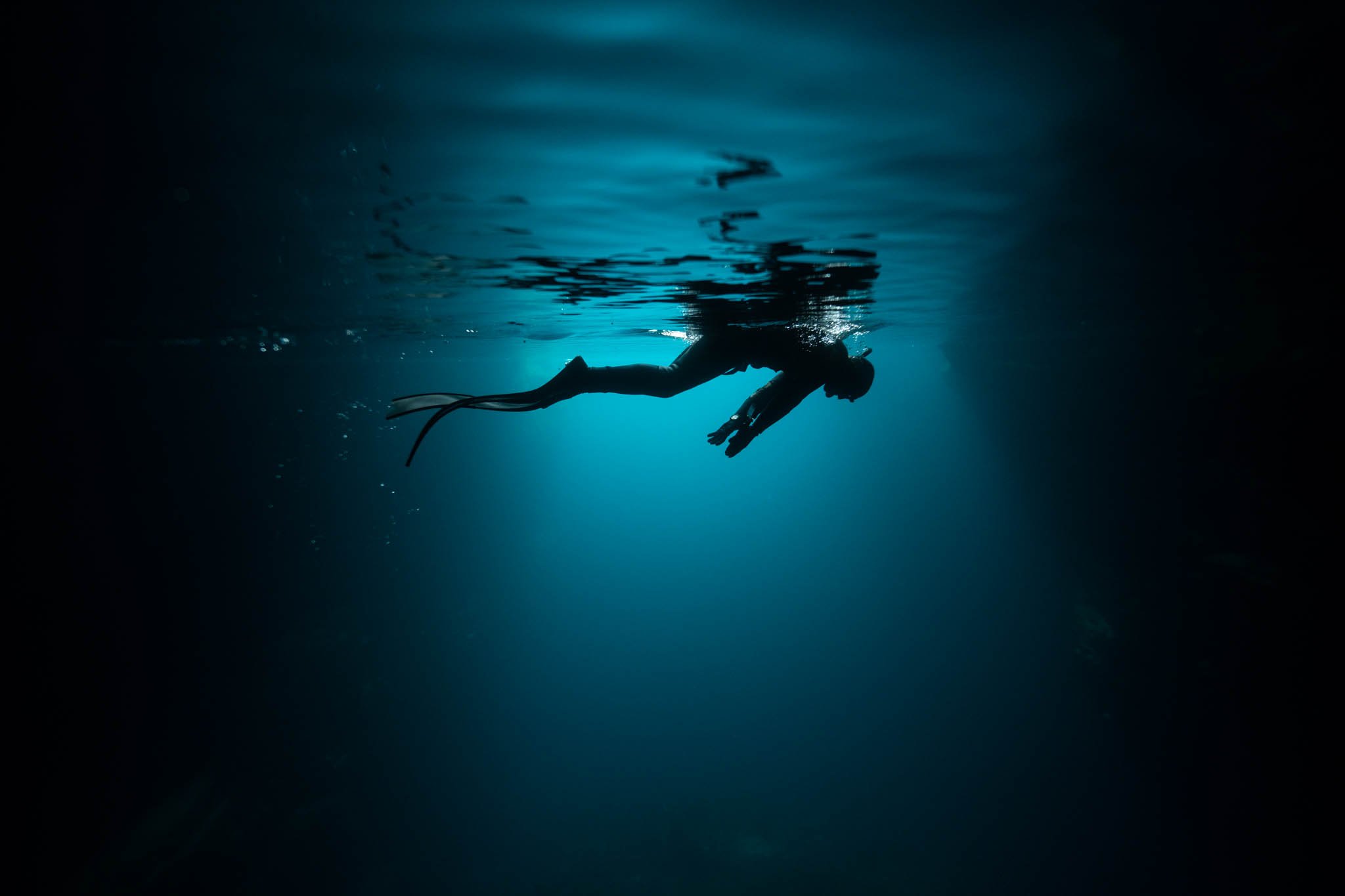
Melbourne is rarely described as a diver's paradise, which makes discovering what lies beneath the surface all the more rewarding. Both of us — Jarrod and Brenton — developed our diving in Victorian waters. Before freediving became a serious pursuit, we spent years in the water snorkeling and spearfishing, exploring the coastline, learning to read the conditions and discovering just how much life exists beneath the surface.
That's something we love about teaching freediving in Melbourne. You don't have to travel to a tropical destination to have a genuine underwater adventure.
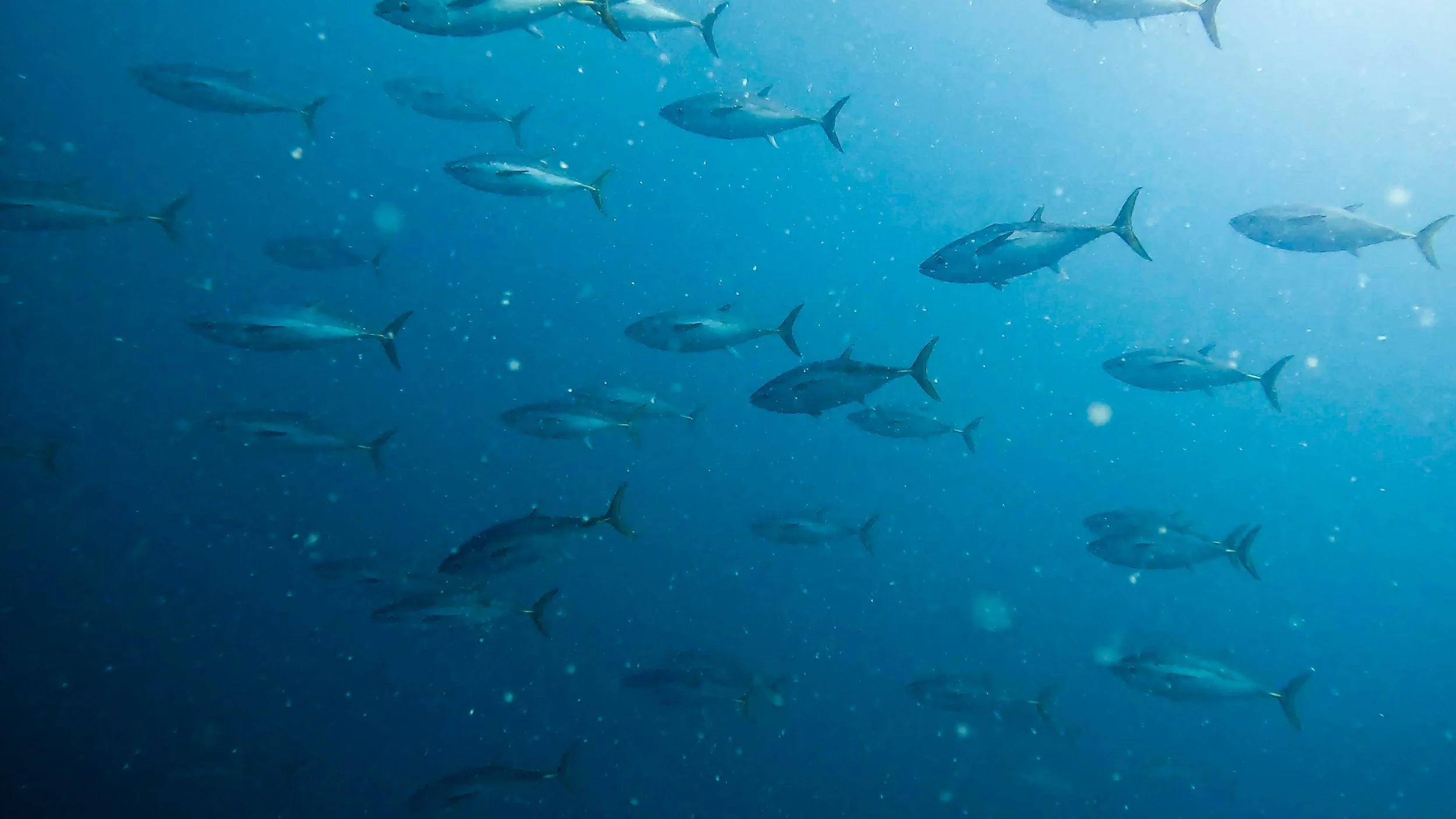
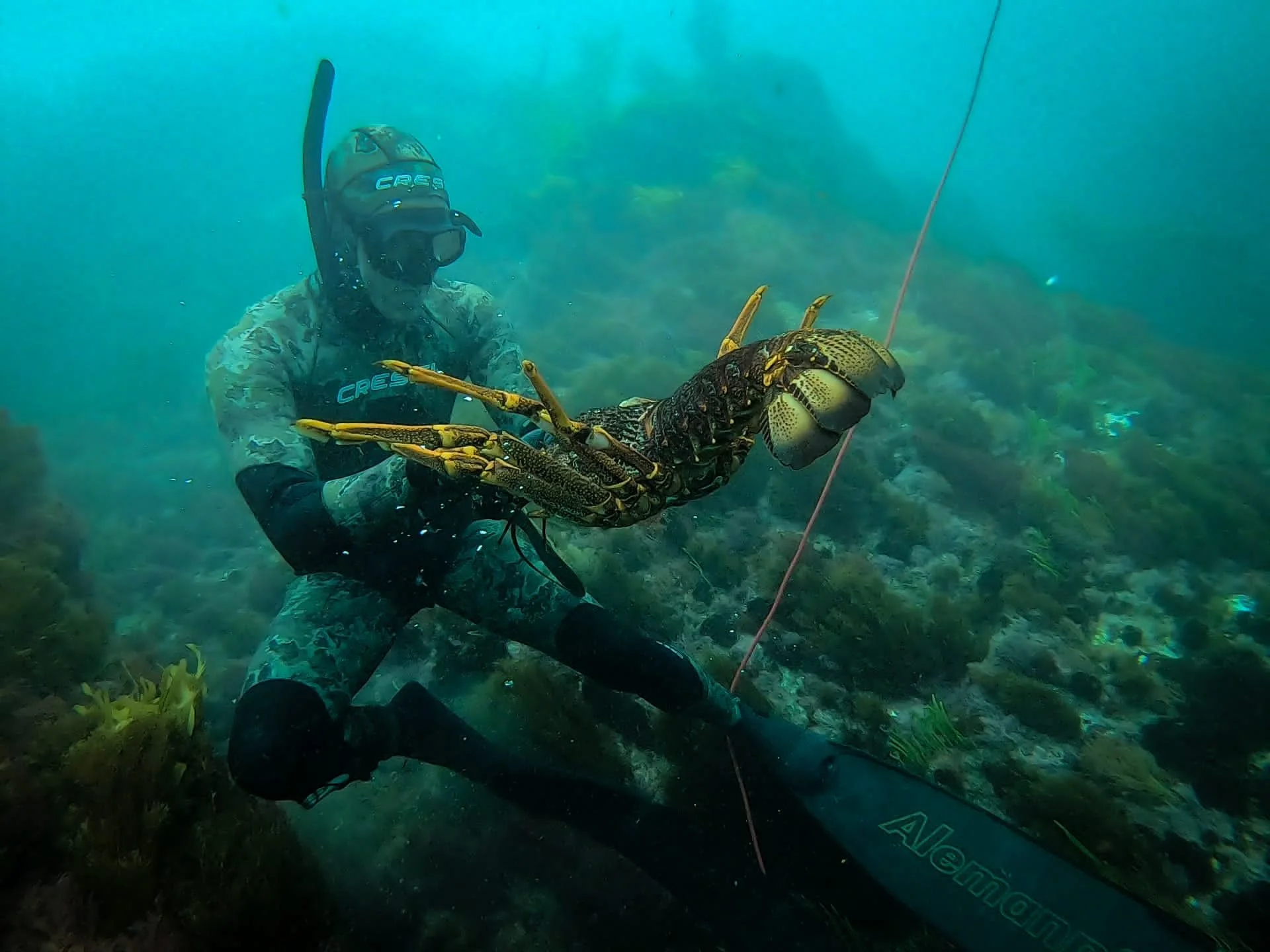
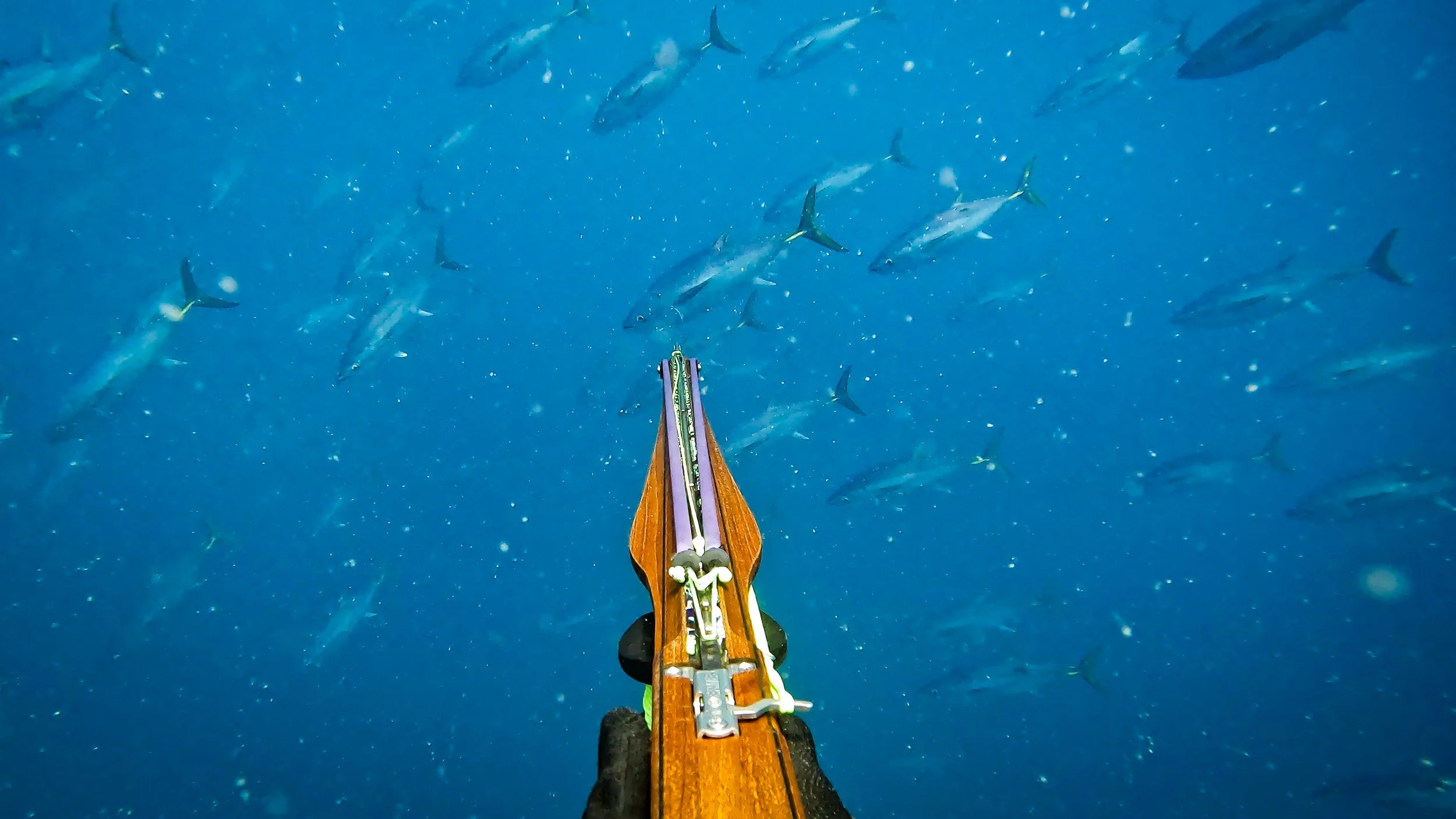
Port Phillip Bay and the Victorian coastline are home to an incredible variety of temperate marine life. Depending on where and when you dive, you can encounter kelp forests, sponge gardens, reef fish, octopus, cuttlefish, seahorses, weedy sea dragons, seals, dolphins, rays, Port Jackson sharks, lobsters and spider crabs. Larger pelagic fish can also move through the bay and Bass Strait, and whales migrate along the Victorian coastline during the cooler months.
The water is different from the warm, tropical diving many people associate with freediving. It's colder, visibility can change quickly and conditions need to be taken seriously.
But that's part of the fun.
When Melbourne gets a calm day and the water clears up, the diving can be spectacular. You can spend the morning exploring a reef with friends, looking for marine life, practicing your breath-hold, heading out for a snorkel or spearfishing adventure, and be back home later that day.
Some of our favorite days in the water have nothing to do with depth or performance. They're simply about getting in, exploring somewhere new and sharing the experience with good people.
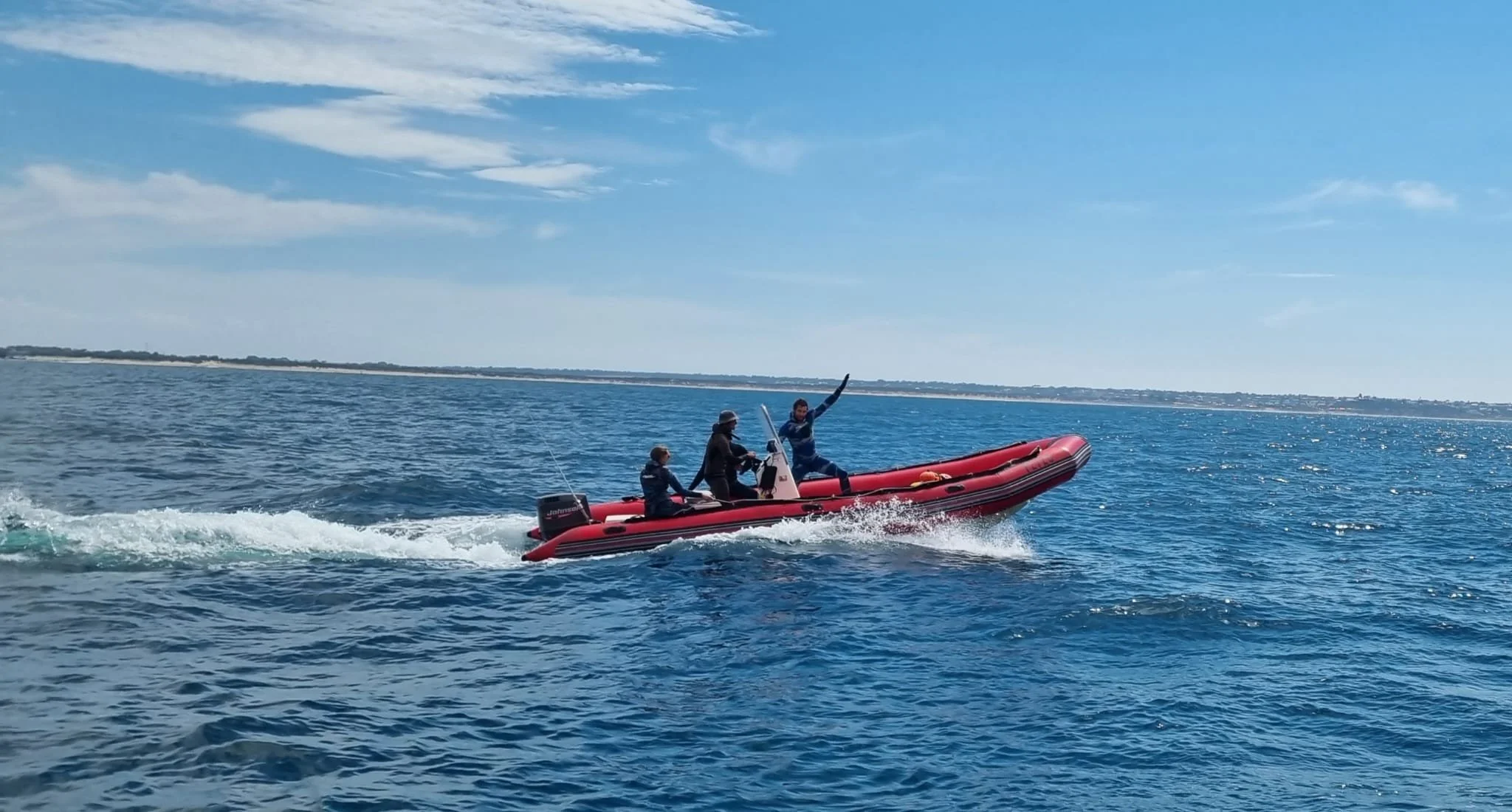
Melbourne Water: Cold, Clear and Full of Life
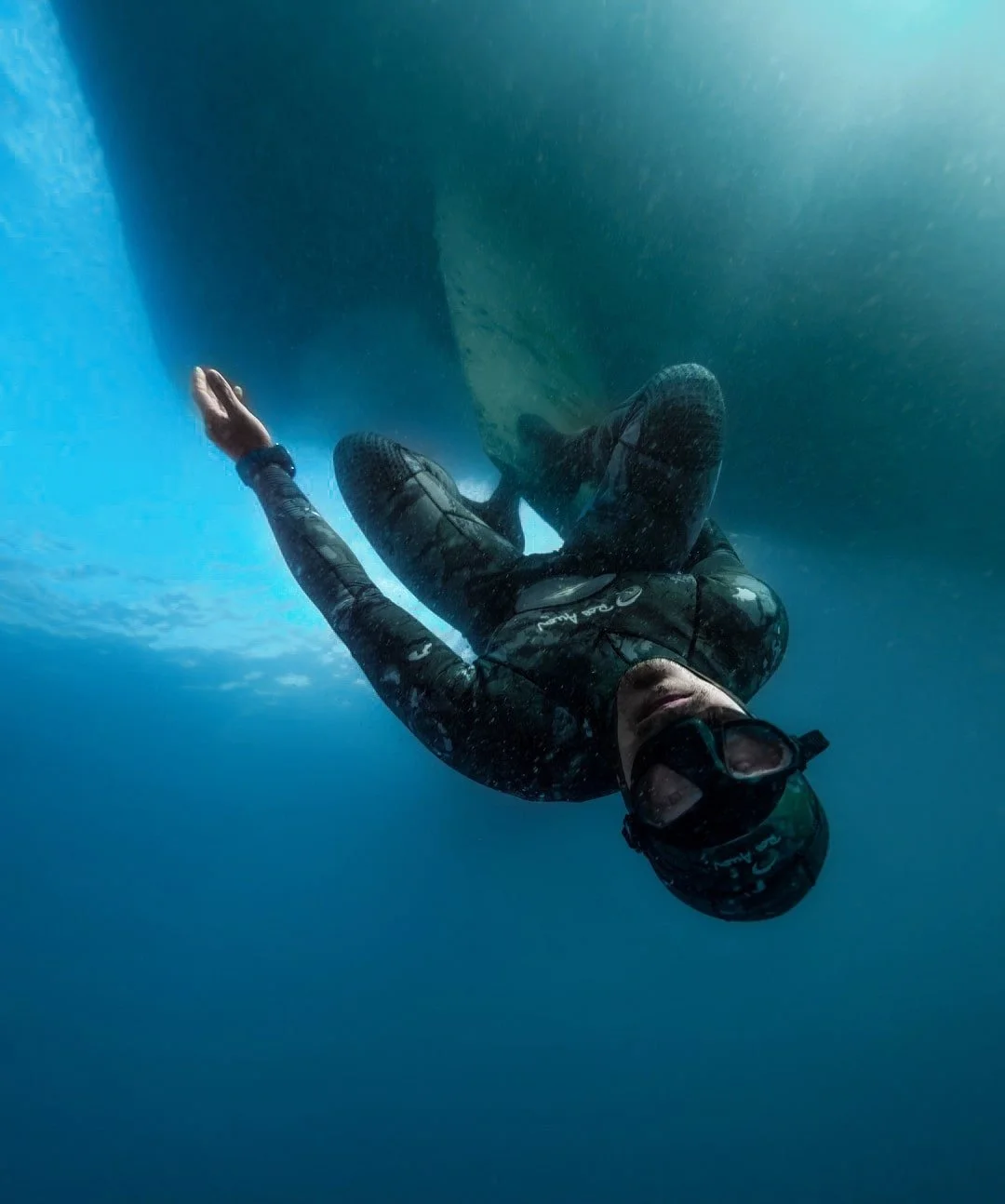
Summer: Typical water temperature 20–22°C
What to expect: Warmest water, long days, variable visibility
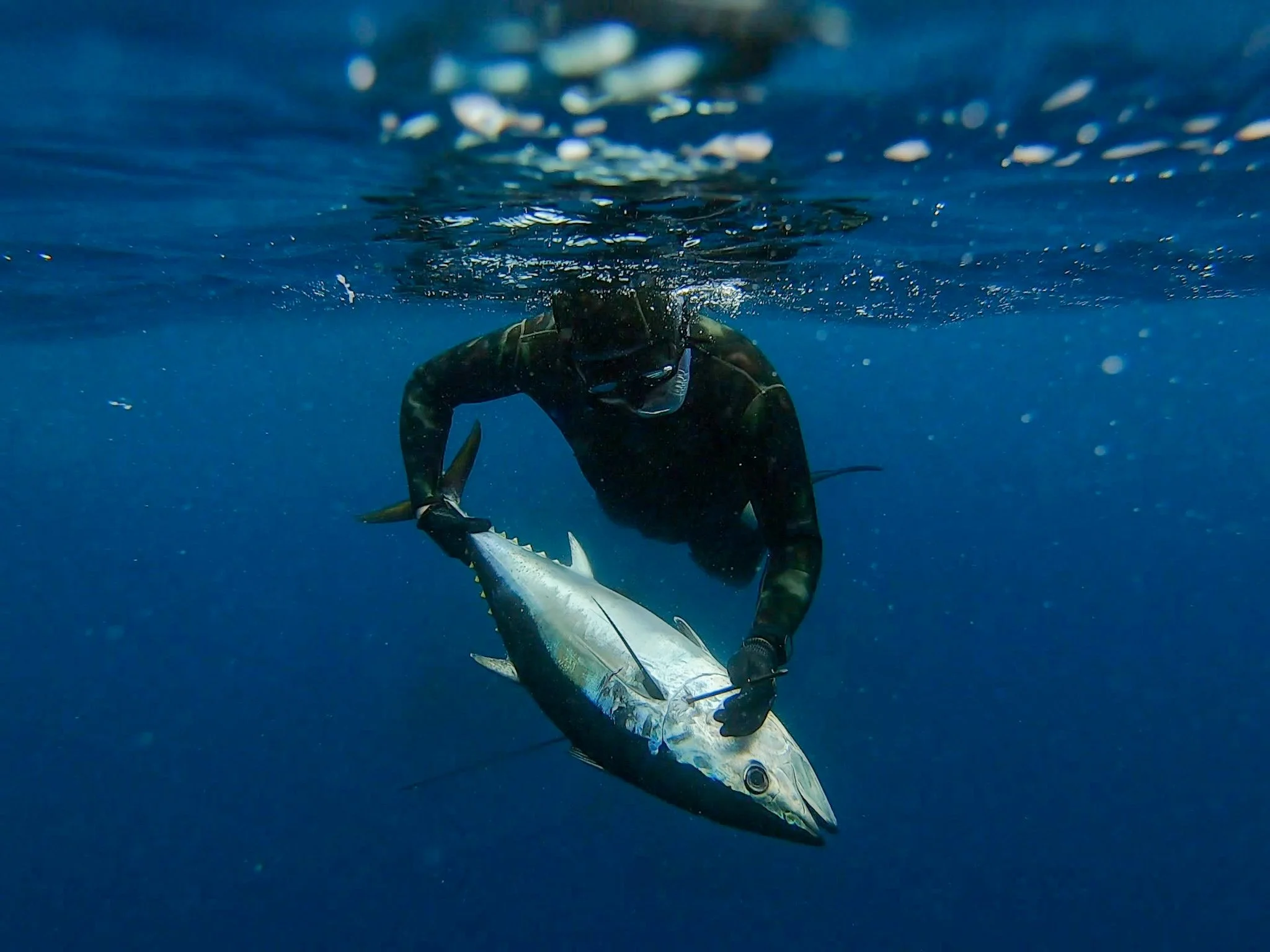
Autumn: Typical water temperature 17–20°C
That to expect: Cooling water and often good conditions

Winter: Typical water temperature 10–14°C
What to expect: Cold, but potentially excellent visibility
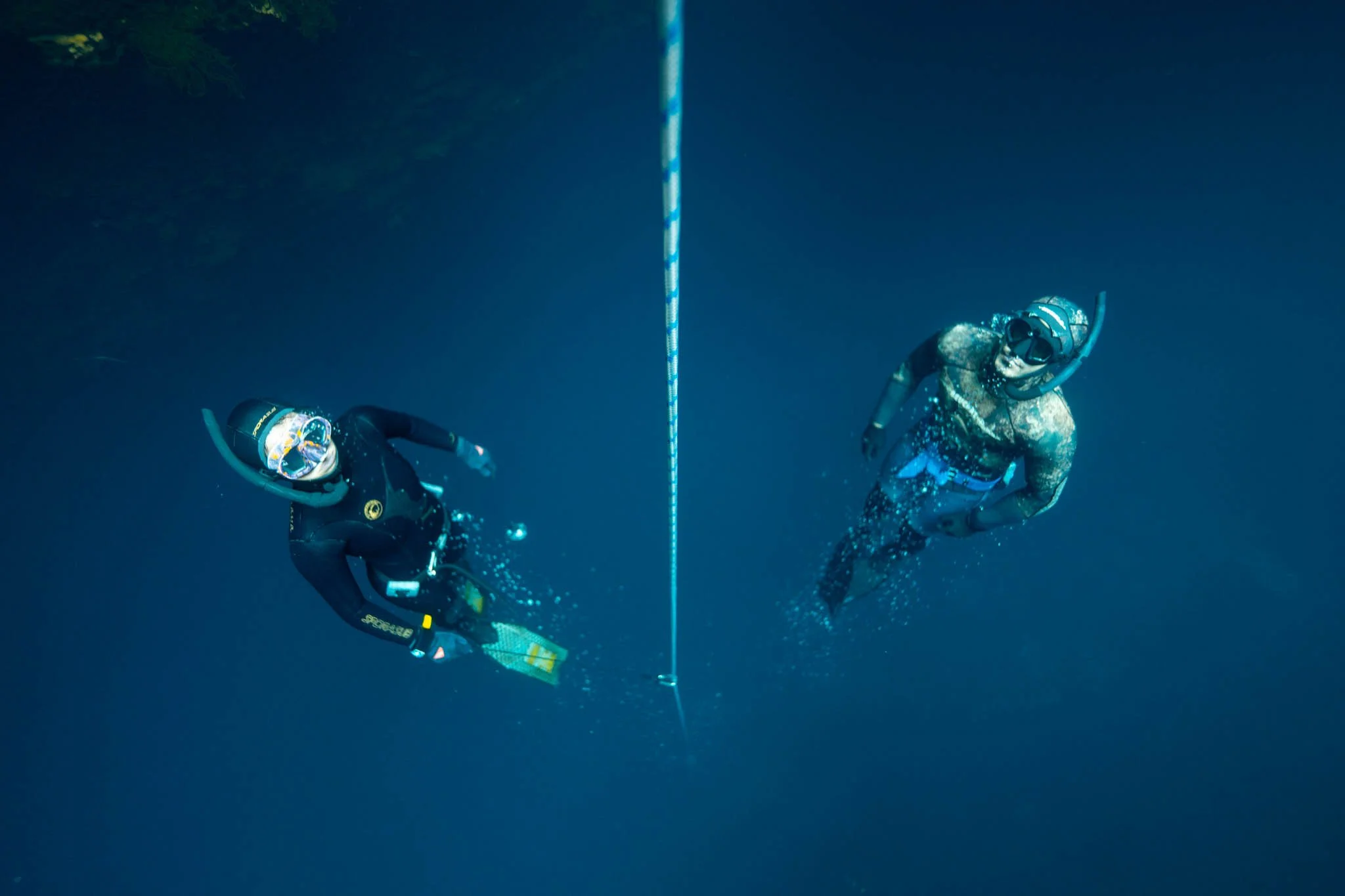
Spring: Typical water temperature 14–18°C
What to expect: Gradually warming water and increasing marine activity
For more detailed and current information about Victorian dive conditions, check DiveScout before heading out.
Melbourne Freediving FAQ
-
If you're used to diving in tropical water, Melbourne can be a bit of a shock!
Port Phillip Bay is a temperate environment and water temperatures change significantly through the year. As a broad guide, the bay can reach around 20–22°C in summer and fall to approximately 10–12°C in winter. The exact temperature depends on where you're diving, recent weather and the movement of water through the bay.
Visibility is even more variable.
You might have only a few metres of visibility after a period of wind or rain, while calm conditions can produce much clearer water. A useful broad guide for Port Phillip Bay is around 2–10 metres, with visibility often improving during calmer periods and through the cooler months. DiveScout categorises 5–10 metres as good visibility and 10+ metres as excellent.
There is no reliable "Melbourne visibility number", though. Wind direction and speed, swell, rainfall, runoff, plankton and the local seabed can all make a huge difference. Calm mornings can be particularly rewarding, and the right wind direction can make one side of the bay much clearer than another.
A rough guide to Melbourne's seasons
SeasonTypical water temperatureWhat to expect
Summer~20–22°CWarmest water, long days and comfortable conditions. Visibility can be variable.
Autumn~17–20°CCooling water and often good opportunities for clear, calm diving.
Winter~10–14°CCold water but potentially excellent visibility. Great time for experienced cold-water divers.
Spring~14–18°CGradually warming water, longer days and increasing marine activity.
These are broad guides rather than forecasts. Local conditions can vary considerably from one day to the next.
For current conditions and more detailed information about Victorian dive sites, we recommend checking DiveScout before heading out. DiveScout is a Melbourne-based project focused on helping Victorian divers and snorkellers understand local conditions and find better days to get in the water. -
Our Melbourne freediving courses combine pool training in Melbourne with open-water depth training at Lake Purrumbete.
Melbourne Sports & Aquatic Centre – Albert Park
MSAC is one of our regular Melbourne training locations.
The controlled environment of the pool allows us to work on the fundamentals of freediving before taking those skills into open water, including breath-hold, relaxation, dynamic apnea, finning, duck diving, equalisation, buddying and rescue skills.
Harold Holt Swim Centre – Glen Iris
We also run pool sessions at Harold Holt Swim Centre in Glen Iris, depending on the course and schedule.
The exact pool used will be confirmed when you book your course.
Lake Purrumbete – Camperdown
For depth training, we head west to Lake Purrumbete near Camperdown.
Lake Purrumbete gives us access to the depth required for AIDA training and provides a controlled environment for students to progress from the horizontal skills learned in the pool into vertical freediving.
The lake is also where we run additional depth coaching for students who need more time to complete their AIDA 2 or AIDA 3 requirements.
And yes, we help organise car pooling for our lake days. The drive out to Camperdown is another opportunity to meet the people you'll be sharing the water with. -
Lake Purrumbete is a volcanic crater lake in western Victoria and one of our main locations for depth training.
During the warmer months, surface temperatures are generally around 19–21°C, with visibility commonly around 8–12 metres, although conditions naturally change.
Once you're on the line and start descending, it feels very different from a swimming pool. The surface disappears surprisingly quickly and your attention narrows to relaxation, equalisation, body position and staying connected to the line.
For many students, this is where freediving really starts to click.
You might have learned all the techniques in the pool, but your first proper vertical dives give you a completely different understanding of what freediving feels like.
We also run regular Lake Purrumbete depth coaching sessions. These are particularly useful for students who need more time to complete their AIDA 2 or AIDA 3 depth requirements. Sessions provide personalised coaching in approximately 12–30 metres of water. DDrifters Freediving
Not completing a depth requirement on your course doesn't mean you've failed. Freediving is a skill-based sport and everyone progresses differently. Coming back for another session can be exactly what you need to build the confidence and technique required. -
Port Phillip Bay is one of the reasons we think Melbourne is such an underrated freediving destination.
It doesn't initially look like an underwater paradise, but once you get beneath the surface, there is an incredible amount to explore.
The Port Phillip Heads area connects the bay with Bass Strait and supports a mixture of sheltered temperate habitats and areas influenced by the open ocean. Around the Victorian coastline you'll find rocky reefs, kelp, seagrass, sponge gardens and sandy environments supporting a huge variety of marine life.
Depending on where and when you're diving, you might find weedy seadragons, cuttlefish, octopus, seals, dolphins, rays and huge schools of fish. Parks Victoria highlights the particularly diverse marine environments around Port Phillip Heads.
The experience changes throughout the year too.
Winter can bring cold water and excellent visibility, as well as seasonal marine-life encounters such as spider crab aggregations. Summer gives you warmer water and longer days, while calm conditions can produce beautiful clear-water sessions.
The key with Melbourne diving is learning to read the conditions.
Wind, swell, currents, rainfall and visibility all influence whether a particular location is going to be worth diving on a given day.
That's something we've learned through years of snorkelling and spearfishing in Victorian waters. Sometimes the best decision is knowing that today isn't the day — and sometimes you arrive at the water and discover conditions that are far better than you expected. -
Drifters offers the AIDA freediving pathway from beginner through to Master level, as well as additional coaching, depth training, spearfishing courses, retreats and expeditions.
AIDA 1 – Freediving Discovery
AIDA 1 is our introduction to freediving and is suitable for complete beginners.
It's a 1.5-day introduction covering breath-hold physiology, relaxation, equalisation, duck diving, finning and basic freediving safety.
You'll also learn buddying and rescue skills and get the chance to explore what you're capable of underwater in a fun, controlled environment.
You don't need previous freediving experience.
Explore AIDA 1
AIDA 2 – Freediving Fundamentals
AIDA 2 is the foundation course for becoming a safe and competent freediver.
The course combines pool sessions in Melbourne with open-water depth training at Lake Purrumbete. You'll develop your breath-hold, relaxation, equalisation and finning techniques while learning how to dive vertically and manage increasing pressure.
Safety is central to the course, including correct buddying and rescue procedures. The course works towards the ability to dive comfortably to approximately 12–20 metres.
If you don't complete every depth requirement first time, that's okay. You can return for additional Lake Purrumbete depth coaching and continue working towards your certification.
Explore AIDA 2
AIDA 3 – Advanced Freediver
AIDA 3 is the next step for divers who have completed AIDA 2 or an equivalent certification.
You'll develop deeper equalisation, free fall, dive planning, training methodology and a deeper understanding of pressure-related physiology and risks.
The course works towards approximately 24–30 metres, alongside longer breath-holds and more advanced safety and rescue skills.
Explore AIDA 3
AIDA 4 – Master Freediver
AIDA 4 is the highest level in the AIDA recreational pathway.
At this level, the focus moves beyond simply reaching a particular depth. You'll develop a much deeper understanding of advanced equalisation, deep-diving physiology, training methodology, performance and supporting other divers.
Explore AIDA 4 -
Absolutely.
You don't need to have done a huge breath-hold or know how to dive deep.
Our AIDA 1 course is specifically designed as an introduction to freediving and is suitable for people with limited or no previous freediving experience.
If you're already comfortable in the water and can swim 200 metres without stopping, you can also consider starting directly with AIDA 2. No previous freediving certification is required for AIDA 2. DDrifters Freediving
The important thing isn't how deep you can dive when you arrive.
It's whether you're comfortable enough in the water to learn.
We teach you the rest. -
AIDA 1
You don't need a huge amount of specialised equipment for your first freediving course.
You'll need:
Mask and snorkel
Freediving or suitable swimming fins
A wetsuit to keep you warm in the pool
Weight belt and weights if required
We can help with some equipment if you don't have everything yet, and we loan weights and belts free of charge.
AIDA 2 and above
For open-water freediving, we recommend:
5mm two-piece open-cell freediving wetsuit
Freediving fins
Mask and snorkel
Weight belt and appropriate weights
We have a limited range of 5mm two-piece wetsuits available for hire, as well as other equipment that can be borrowed where available.
You don't need to buy the most expensive equipment available to start freediving. As you progress, you'll develop your own preferences and we can help you work out what equipment makes sense for the way you dive. -
Drifters Freediving was founded by Jarrod Briffa and Brenton Loh, who lead our Melbourne courses alongside a wider team of experienced freedivers.
Both Jarrod and Brenton developed their connection with the ocean through Australian waters, particularly through spearfishing and exploring underwater before moving deeper into formal freediving training.
Jarrod began spearfishing and diving in Byron Bay in 2007 and later became deeply involved in the Melbourne freediving community. He has represented Australia at multiple international competitions and has coached divers towards many national records as well as achieving a handful himself - his current best is 250m dynamic apnea in the pool.
Brenton's connection with the ocean began in the waters of Victoria through spearfishing. He later travelled to Thailand to begin formal freediving training and has since completed certifications with multiple organisations, becoming an instructor with AIDA, Molchanovs and SSI. He has also been active in Melbourne's freediving community since joining Melbourne Freedivers Club in 2019.
Our courses are supported by other experienced freedivers too, many of whom have trained with us over the years.
One of the things we're proudest of is seeing our students become experienced divers themselves and then contribute to the community. -
Learning the skills is only the beginning.
Freediving is a buddy sport, and finding people you trust to dive with is one of the most important things you can do as you develop.
That's why we put so much emphasis on buddying and rescue skills during our courses. Our AIDA 2 program, for example, specifically teaches students correct buddying and rescue techniques and reinforces the principle of never diving alone.
It's also why we've created a Drifters WhatsApp group for past students.
Once you've completed a course with us, you can stay connected with other Drifters divers, find people to train and dive with, share conditions and plans, and keep up to date with local events and opportunities to get in the water.
The group is a simple way to keep the momentum going after your course.
But don't stop there.
Melbourne has a broader community of snorkellers, freedivers and spearfishers, with clubs, groups, training sessions and social dives happening around Victoria.
A course is a great way to learn safe diving practices and meet your first group of dive buddies. From there, we encourage you to keep exploring, meet other divers and build your own community.
For us, that's a huge part of what makes freediving fun.
It's not just about how deep you can go. It's about finding people who are excited to get up early for a good weather window, driving down the coast, exploring a new reef, hunting for marine life, sharing a good meal afterwards and doing it all again the following weekend. -
There isn't one right path after completing your first course.
After AIDA 1, many people progress to AIDA 2 and begin developing their open-water and depth skills.
After AIDA 2, you can continue diving recreationally, join training sessions, explore Port Phillip Bay, snorkel with friends, get into spearfishing or progress towards AIDA 3.
For divers who become fascinated by depth, our Lake Purrumbete sessions provide regular opportunities to continue developing your technique.
After AIDA 3, you can progress towards AIDA 4, explore competitive freediving, undertake specialised training or join us on deeper retreats and expeditions.
For some people, the next step isn't deeper at all.
It might simply be getting better at equalisation, becoming more relaxed underwater, learning to hunt safely, exploring new marine environments or finding a great group of buddies to dive with. -
Yes.
Melbourne is a great place to develop the foundations required for deeper freediving.
We recommend progressing gradually rather than chasing depth for its own sake.
Your first priority should be becoming comfortable and relaxed in the water. From there, you'll work on equalisation, body position, free fall, technique and the ability to stay relaxed as pressure increases.
Our Lake Purrumbete depth coaching provides personalised training in approximately 12–30 metres, depending on your experience and goals. Students who have completed AIDA 3 or above can also join selected depth sessions for autonomous training.
As you become more experienced, our retreats and expeditions provide opportunities to train in deeper and warmer locations with experienced coaches and other committed freedivers.
The goal is not simply to make the number on your dive computer bigger.
The goal is to become a better diver. -
The best way to understand what it's like to learn with Drifters is to hear from the people who have actually done it.
We've now had 100+ five-star reviews on Google, and students regularly mention the relaxed atmosphere, experienced instructors, individual attention and supportive community.
We're particularly proud of the students who arrive nervous or unsure about what they can do underwater and leave with new skills, more confidence and a group of people to keep diving with.
One of the best things we hear is that people don't just finish a course with a certification — they finish with new dive buddies. -
If you're completely new to freediving, AIDA 1 Freediving Discovery is a great place to start. Book Here
If you're already confident in the water and can swim 200 meters without stopping, you can consider going straight into AIDA 2 Freediving Fundamentals. Book Here
You can book directly through the relevant course page on our website.
If you're unsure which course is right for you, get in touch before booking. We'd much rather have a quick conversation and help you choose the right starting point.
And if you've already completed a course and simply want more time on the line, our Lake Purrumbete depth coaching sessions are a great way to keep progressing.